

"La maldad de todas las naciones será juzgada"
Siempre hay algo en contra. La cultura que se opone a los valores del pueblo de Dios, las oposiciones individuales como pleitos, divisiones o amenazas, e incluso la oposición interna del propio corazón: pecado, desesperanza, orgullo y temores. El imperio de Asiria representaba todo eso para Judá. Eran los bullies del mundo antiguo, y cada palabra del profeta Nahum dirigida a Nínive llegaba como un consuelo profundo a los oídos de Judá: el Señor actuaría contra sus opresores. Escuchar esta poesía traía esperanza. Judá podía decir: llegará el día en que nuestros angustiadores serán aniquilados y ya no nos molestarán.
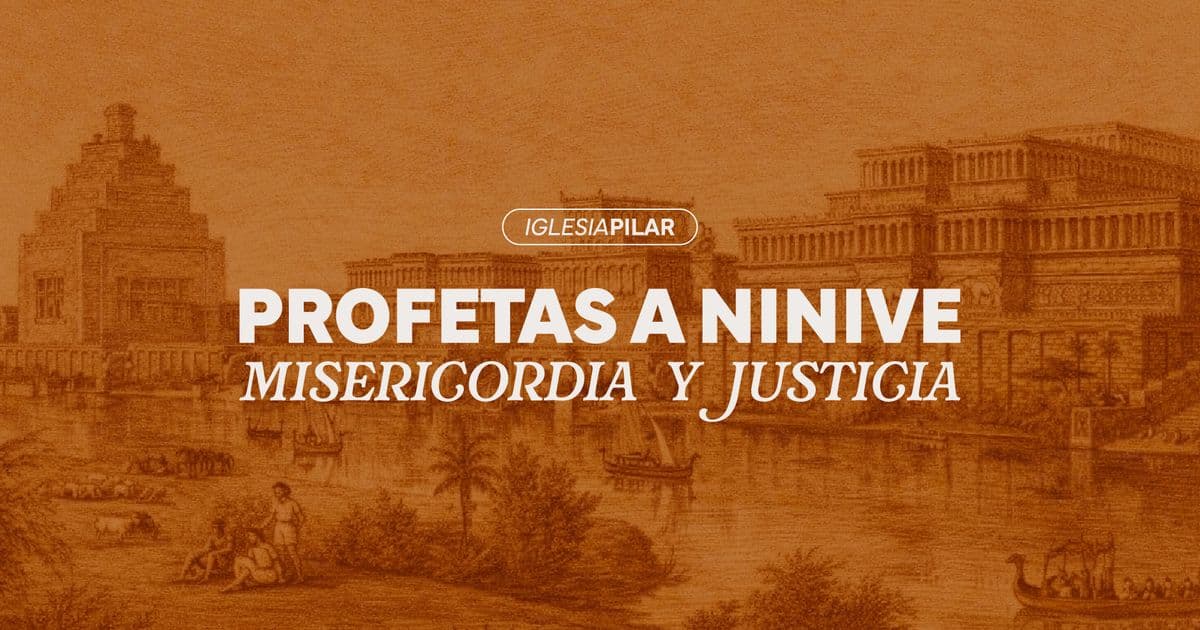
En Nahum 3:8-19, el texto final de la serie Profetas a Nínive, el profeta cierra su mensaje con una verdad contundente: la maldad de todas las naciones será juzgada.
Tú no eres especialNahum 3:8-11
El profeta confronta a Nínive con una pregunta retórica: "¿Eres tú mejor que Tebas?" (Nahum 3:8). Tebas era como el Nueva York del mundo antiguo, una ciudad vibrante que durante mucho tiempo fue la capital del antiguo Egipto. Conocida en la actualidad como Luxor, era un lugar de monumentos imponentes que aún atraen a turistas de todo el mundo.
Tebas contaba con dos grandes fortalezas. La primera era su ubicación junto al río Nilo. Los canales que atravesaban la ciudad funcionaban como murallas naturales, haciendo que cualquier ataque fuera extremadamente difícil; de forma similar a Nínive, que también contaba con un río que la protegía. La segunda fortaleza de Tebas eran sus alianzas. Nahum menciona a Etiopía, Egipto, Fut y Libia como aliados que la rodeaban por todos los flancos: al norte, al sur, al este y al oeste. Si era atacada, sus amigos vendrían en su auxilio. Tebas tenía amigos.
Aun con todas estas fortalezas, Tebas cayó en manos del imperio asirio en el año 663 a.C. De hecho, esta es una de las razones por las que los historiadores pueden fechar el libro de Nahum: por lo menos se escribió después de la caída de Tebas. Los asirios hicieron lo que sabían hacer muy bien: ejercer su crueldad al conquistar. Desterraron a los habitantes, llevándolos al cautiverio. Asesinaron niños a la vista de todos. Humillaron a los nobles vendiéndolos como esclavos. La ciudad que se creía segura fue completamente destruida.
El profeta utiliza esta comparación para decirle a Nínive: no eres mejor que Tebas. La ciudad que se creía segura terminó siendo destruida. Nínive, que se sentía segura, pasaría por lo mismo. Y los registros históricos confirman que unos 50 años después, Nínive sufrió la misma suerte. El verso 11 es directo: "Tú también quedarás embriagada, estarás escondida, tú también buscarás refugio del enemigo." Al igual que Tebas, Nínive recibiría el mismo trato que ella hizo con otros.
La nación enemiga de Dios no puede confiar en sus fortalezas ni en su ubicación. No puede confiar en sus aliados, porque el juicio de Dios vendrá sin importar en qué depositen su confianza. Dios es todopoderoso para ejecutar sus juicios. No hay nación invencible ante Dios. Él gobierna soberanamente sobre la tierra que Él creó.
Este mensaje de juicio para Nínive era, al mismo tiempo, una buena noticia para el pueblo de Dios. Y eso es exactamente lo que incluye el mensaje del evangelio: buenas noticias y malas noticias. Las malas noticias son que el juicio divino viene para todos los que no confían en la salvación del Señor. Dios destruirá a todo rebelde que niegue su pecado contra el Creador y no reconozca a Jesús como el único camino de salvación. Las buenas noticias son que Dios juzgará a los pecadores y salvará a los justos. Y los justos no son quienes se han portado bien, sino quienes reconocen que eran enemigos de Dios y han confiado en el sacrificio de Jesucristo, acercándose a Dios no en orgullo, sino en arrepentimiento y en fe. Como lo dice el profeta Joel: "Todo aquel que invoque el nombre del Señor será salvo" (Joel 2:32). Los cristianos no son mejores que nadie. Simplemente han reconocido que son pecadores y que Jesús es quien los salva del futuro juicio de Dios.
Tus falsas seguridades serán expuestasNahum 3:12-19
Nínive podría caer en el error de pensar que era mejor que Tebas, que sus defensas robustas podrían detener cualquier ataque. Pero Nahum continúa exponiendo cada una de sus supuestas defensas con un lenguaje figurado que muestra que la defensa de la ciudad era completamente inútil.
Las fortalezas de Nínive eran como higueras cargadas de primeros frutos: basta sacudirlas para que todo caiga en la boca de quien las come. El ejército de Nínive no tendría coraje para defender la ciudad. Las puertas y cerrojos serían hechos cenizas por el fuego. Nada de su poder militar podría detener la destrucción cuando el juicio del Señor cayera sobre ella.
Nahum añade un desafío irónico, similar al que ya había lanzado en el capítulo 2. Es como decirle al enemigo: échale ganas, Nínive, pero aunque le eches ganas serás derrotada. Abastécete de agua para el asedio, refuerza tus fortalezas, métete en el lodo y pisa el barro, toma el molde de ladrillos. Es decir: ten material suficiente para que cuando tus murallas estén cayendo puedas hacer ladrillos y reedificarlas. Pero nada de esto servirá.
Tampoco servirían los comerciantes que habían multiplicado la riqueza de la ciudad más que las estrellas del cielo. El profeta dice que desaparecerían como insectos que están un momento y de repente se van. Los oficiales y jefes se irían como nubes de langostas que, al salir el sol, emprenden el vuelo y nadie sabe dónde fueron. Una sociedad que se veía tan estable, tan grande, tan indestructible, se desvanecería por completo. La fuerza económica de Nínive no serviría de nada ante el juicio del Señor.
Nahum termina dirigiéndose al rey de Asiria: sus nobles morirán, su pueblo será dispersado por los montes y no habrá quien lo reúna. "No hay remedio para tu quebranto, tu herida es incurable" (Nahum 3:19). La destrucción de Nínive sería permanente. A diferencia de otras ciudades de la época que eran atacadas y luego reedificadas, Nínive jamás se levantaría de nuevo. Los arqueólogos que estudian sus ruinas son testigos de la fidelidad de la palabra de Dios.
Y cuando Nínive cayó, no hubo lágrimas. Solo alegría. Todos los que experimentaron la maldad de Asiria batieron sus palmas, porque sobre todos ellos había pasado constantemente su maldad.
Las naciones pueden confiar en su liderazgo, su armamento, sus ejércitos, su tecnología, sus estrategias o su inteligencia artificial. Pero cuando venga el día del Señor, nada de eso les servirá. No quedará ningún enemigo impune ni escondido. Todo se desvanecerá ante el trono del Señor. Y eso es esperanzador para el pueblo de Dios, porque la confianza del cristiano no está en las naciones ni en sus líderes, sino en el Dios soberano, todopoderoso, celoso y justo que gobierna sobre la tierra que Él creó. No solo es un Dios personal; es un Dios cósmico que juzgará a todas las naciones en toda su soberanía y poder.
Conclusión
La severidad del juicio de Dios contra Nínive invita a una pregunta difícil: ¿por qué tan severo? La respuesta es que la severidad del juicio corresponde a la gravedad del pecado. Ver el peso del juicio de Dios ayuda a entender lo serio que es pecar contra el Creador. Es tan serio que el castigo para el pecador es la eternidad en el tormento. Y es tan serio que, para borrar la pecaminosidad de su pueblo, Dios envió a su Hijo Jesús, quien siendo completamente hombre y completamente Dios era el único que podía soportar la ira justa de Dios.
Dios trata con el pecado de manera definitiva en dos puntos de la historia: en la cruz y en el juicio final. Todo pecado será juzgado en uno de esos dos momentos. Para quienes han puesto su confianza en Cristo, acercándose a Él en humildad, arrepentimiento y fe, sus pecados ya fueron juzgados en la cruz. Las consecuencias fueron vertidas sobre el amado Hijo de Dios en el Calvario.
Para Nínive, la palabra del profeta fue terminante: no hay remedio para tu quebranto, tu herida es incurable. Nínive ya estaba lejos de la oportunidad del arrepentimiento. Pero para quien aún no ha puesto su confianza en Cristo, la buena noticia es que si se arrepiente y cree en el Señor, Jesús toma el juicio merecido en la cruz y salva para siempre. Sí hubo remedio para el quebranto del pueblo de Dios: Jesús fue quebrado en su lugar. Sí hubo cura para su herida: Jesús fue herido en la cruz para que su pueblo pueda experimentar la restauración y la vida que Dios da. Como lo declara Nahum al inicio de su profecía: "Bueno es el Señor, una fortaleza en el día de la angustia, y conoce a los que en Él se refugian" (Nahum 1:7).
En esta serie sobre los dos profetas a Nínive se ha visto el juicio, la santidad y el celo de Dios en Nahum, y la misericordia y la gracia de Dios en Jonás. Dios no es más uno y menos otro. Dios es misericordioso y lleno de gracia, y Dios es justo, celoso y vengador. Acerquémonos a Él en confianza y en fe, y proclamemos las buenas noticias de su gracia y misericordia, que incluyen las malas noticias para sus enemigos.
Transcripción completa
No Nation Is Invincible Before God
"The wickedness of all nations will be judged" There is always something standing against us. The culture that opposes the values of God's people, individual conflicts like disputes, divisions, or threats, and even the internal opposition of one's own heart: sin, despair, pride, and fear. The Assyrian empire embodied all of this for Judah. They were the bullies of the ancient world, and every word from the prophet Nahum directed at Nineveh arrived as deep comfort to Judah's ears: the Lord would act against their oppressors. Hearing this poetry brought hope. Judah could say: the day will come when our tormentors will be annihilated and will trouble us no more. In Nahum 3:8-19, the final text in the Prophets to Nineveh series, the prophet closes his message with a resounding truth: the wickedness of all nations will be judged. The text is divided into two sections: in the first, Nahum tells Nineveh it is not special; in the second, he exposes that its false securities will be useless before God's judgment. You Are Not Special (Nahum 3:8-11) The prophet confronts Nineveh with a rhetorical question: "Are you better than Thebes?" (Nahum 3:8). Thebes was the New York of the ancient world — a vibrant city that served for a long time as the capital of ancient Egypt. Known today as Luxor, it was a place of imposing monuments that still draw tourists from around the world. Thebes had two great strengths. The first was its location alongside the Nile River. The canals running through the city served as natural walls, making any attack extremely difficult — similar to Nineveh, which also had a river running through it for protection. The second strength of Thebes was its alliances. Nahum mentions Ethiopia, Egypt, Put, and Libya as allies that surrounded it on every side: north, south, east, and west. If attacked, its friends would come to its aid. Thebes had friends. Yet even with all these strengths, Thebes fell to the Assyrian empire in 663 B.C. In fact, this is one of the reasons historians can date the book of Nahum: it was written at least after the fall of Thebes. The Assyrians did what they knew best: exercise cruelty in conquest. They deported the inhabitants, taking them into captivity. They killed children in plain sight. They humiliated the nobles by selling them as slaves. The city that believed itself secure was completely destroyed. The prophet uses this comparison to tell Nineveh: you are no better than Thebes. The city that believed itself secure ended up destroyed. Nineveh, which felt safe, would suffer the same fate. And historical records confirm that about 50 years later, Nineveh met the same end. Verse 11 is direct: "You too will become drunk, you will go into hiding, you too will seek refuge from the enemy." Just as Thebes, Nineveh would receive the same treatment it had inflicted on others. A nation that is an enemy of God cannot trust in its fortresses or its location. It cannot trust in its allies, because God's judgment will come regardless of where these nations place their confidence. God is almighty to execute His judgments. There is no nation invincible before God. He reigns sovereignly over the earth He created. This message of judgment for Nineveh was, at the same time, good news for God's people. And that is exactly what the gospel message includes: good news and bad news. The bad news is that divine judgment is coming for all who do not trust in the Lord's salvation. God will destroy every rebel who denies their sin against the Creator and does not recognize Jesus as the only way of salvation. The good news is that God will judge sinners and save the righteous. And the righteous are not those who have behaved well, but those who recognize they were enemies of God and have trusted in the sacrifice of Jesus Christ, approaching God not in pride, but in repentance and faith. As the prophet Joel declares: "Everyone who calls on the name of the Lord will be saved" (Joel 2:32). Christians are not better than anyone else. They have simply recognized that they are sinners and that Jesus is the one who saves them from God's future judgment. Your False Securities Will Be Exposed (Nahum 3:12-19) Nineveh could fall into the error of thinking it was better than Thebes, that its robust defenses could stop any attack. But Nahum continues by exposing each of its supposed defenses with figurative language that shows the city's defense was entirely useless. Nineveh's fortresses were like fig trees loaded with first-ripe fruit: just shake them and everything falls into the mouth of the one eating. Nineveh's army would lack the courage to defend the city. The gates and bars would be reduced to ashes by fire. Nothing in its military power could stop the destruction when the Lord's judgment fell upon it. Nahum adds an ironic challenge, similar to the one he had already issued in chapter 2. It is as if telling the enemy: do your best, Nineveh, but even if you try your hardest you will be defeated. Stock up water for the siege, strengthen your fortresses, get into the mud and tread the clay, take the brick mold. In other words: have enough material so that when your walls are crumbling you can make bricks and rebuild them. But none of it will matter. Nor would its merchants be of any help, despite having multiplied the city's wealth more than the stars of the sky. The prophet says they would vanish like insects that are present one moment and suddenly gone the next. Officers and leaders would flee like swarms of locusts that, when the sun rises, take flight and no one knows where they went. A society that appeared so stable, so great, so indestructible would completely evaporate. Nineveh's economic strength would be worthless before the Lord's judgment. Nahum ends by addressing the king of Assyria: his nobles will die, his people will be scattered across the mountains with no one to gather them. "There is no remedy for your wound, your injury is fatal" (Nahum 3:19). Nineveh's destruction would be permanent. Unlike other cities of that era that were attacked and later rebuilt, Nineveh would never rise again. The archaeologists who study its ruins today are witnesses to the faithfulness of God's word. And when Nineveh fell, there were no tears. Only joy. All who experienced the empire's wickedness clapped their hands, because its cruelty had reached everyone. Nations may trust in their leadership, their weapons, their armies, their technology, their strategies, or their artificial intelligence. But when the day of the Lord comes, none of it will matter. No enemy will go unpunished or remain hidden. Everything will vanish before the Lord's throne. And that is hope-giving for God's people, because the Christian's confidence is not in nations or their leaders, but in the sovereign, almighty, jealous, and just God who rules over the earth He created. He is not only a personal God; He is a cosmic God who will judge all nations in His full sovereignty and power. Conclusion The severity of God's judgment against Nineveh invites a difficult question: why so severe? The answer is that the severity of the judgment corresponds to the gravity of sin. Seeing the weight of God's judgment helps us understand how serious sin is against the Creator. It is so serious that the punishment for the sinner is eternity in torment. And it is so serious that, to erase the sinfulness of His people, God sent His Son Jesus, who being fully man and fully God was the only one who could bear the just wrath of God. God deals with sin definitively at two points in history: at the cross and at the final judgment. Every sin will be judged at one of those two moments. For those who have placed their trust in Christ, approaching Him in humility, repentance, and faith, their sins were already judged at the cross. The consequences were poured out upon the beloved Son of God at Calvary. For Nineveh, the prophet's word was final: there is no remedy for your wound, your injury is fatal. Nineveh was already far from the opportunity for repentance. But for anyone who has not yet placed their trust in Christ, the good news is that if you repent and believe in the Lord, Jesus takes the judgment you deserved at the cross and saves you forever. There was a remedy for the brokenness of God's people: Jesus was broken in their place. There was a cure for their wound: Jesus was wounded on the cross so that His people could experience the restoration and life that God gives. As Nahum declares at the beginning of his prophecy: "The Lord is good, a stronghold in the day of trouble, and He knows those who take refuge in Him" (Nahum 1:7). In this series on the two prophets to Nineveh, we have seen the judgment, holiness, and zeal of God in Nahum, and the mercy and grace of God in Jonah. God is not more of one and less of the other. God is merciful and full of grace, and God is just, jealous, and avenging. Let us approach Him in trust and faith, and let us proclaim the good news of His grace and mercy — which include the bad news for His enemies.