

"Proclama la palabra que tiene poder para producir arrepentimiento"
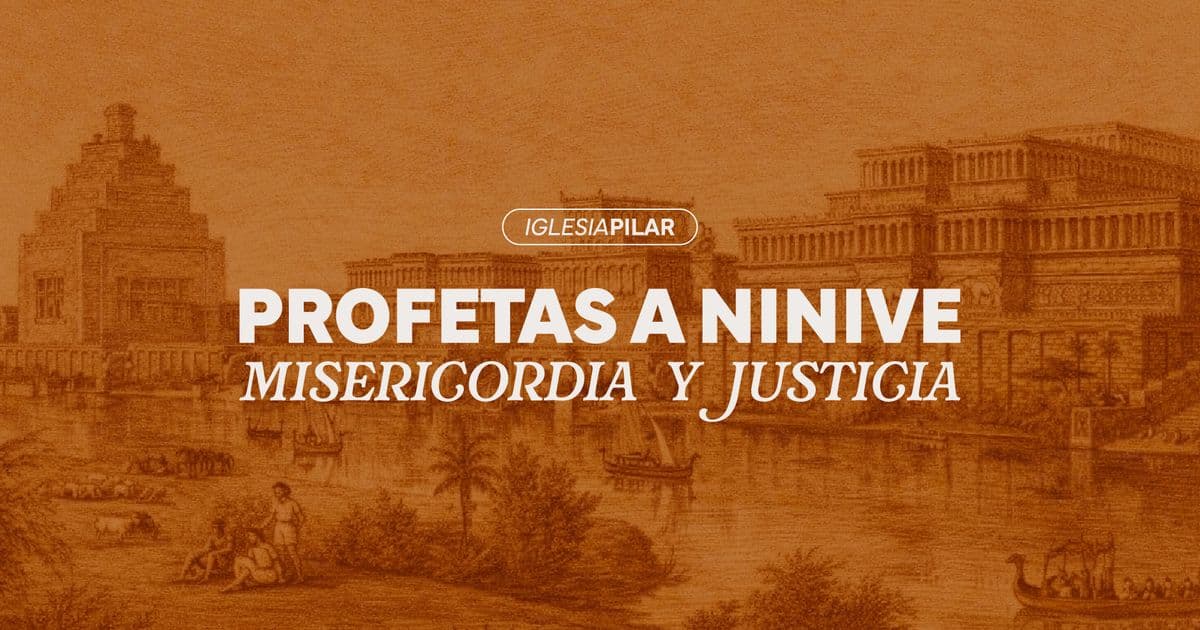
En Jonás 3:1-10 el relato alcanza un punto que desafía toda expectativa. El profeta que huyó, que fue tragado por un gran pez y devuelto a tierra firme, recibe de nuevo la misma instrucción. Esta vez obedece. Y lo que ocurre con un mensaje de apenas cinco palabras sacude los cimientos de toda una ciudad.
Un locutor de radio, reconocido por su ateísmo, narraba una mañana la noticia del secuestro de una niña. Mientras describía lo que los criminales le habían hecho, su voz se quebró. Se salió del guion y dijo algo que no encajaba con su cosmovisión: "Yo no sé, pero estos hombres, ya sea en esta vida o en la otra, pagarán por lo que han hecho." En alguien que negaba la existencia de Dios, ese sentimiento interno de justicia salió a relucir. Dentro de él había una brújula colocada por el Creador, anhelando que el mal no quede sin consecuencias. Los habitantes de Nínive reconocieron esa misma verdad: darían cuentas ante su Creador por sus maldades. Lo que tanto ese locutor como los ninivitas necesitaban era conectar ese anhelo interior de justicia con el mensaje de Dios proclamado por su pueblo.
Dios otorga su palabraJonás 3:1-4
Jonás 3 funciona como un espejo del capítulo 1. En ambos, Jonás recibe palabra del Señor. En ambos, se traslada. En ambos, interactúa con gentiles que responden al mensaje. En el capítulo 1 fueron los marineros; en el capítulo 3, los ninivitas. Es un pasaje paralelo que muestra cómo Dios actúa y revela su misericordia.
El verso 1 retoma justo después de Jonás 2:10, donde el Señor ordena al pez que vomite al profeta en tierra firme. Después de esa experiencia, Dios le da la misma instrucción por segunda vez: levántate, ve a Nínive y proclama el mensaje. ¿Por qué? Porque Nínive merecía el justo juicio de Dios.
A diferencia de la primera ocasión, Jonás no huye a Tarsis hacia el oeste. Obedece y se dirige al este. ¿Qué le hizo cambiar? Jonás aprendió que no podía alejarse de la presencia del Dios omnipresente. Aprendió que Dios es soberano: gobierna sobre los vientos, los mares y las criaturas del mar. Aprendió que la salvación es del Señor.
En el verso 4, Jonás proclama el mensaje de Dios: dentro de cuarenta días, Nínive será arrasada. En hebreo son apenas cinco palabras. No fue una predicación extensa ni un gran discurso. Pero esas cinco palabras eran suficientes porque estaban respaldadas por Dios y tenían el poder para que miles de corazones ninivitas respondieran.
El mensaje era breve, pero poderoso. Su contenido revela algo esencial: Dios es santo y justo, y no puede dejar pasar la maldad. Los ninivitas conocieron a un Dios que no se hace de la vista gorda ante la injusticia, la perversidad y el pecado. Por su pecaminosidad, eran dignos de ser destruidos. Pero Dios no solo actuaba por ser justo; también porque es amor, debía detener las atrocidades que los ninivitas cometían.
Este mensaje de juicio no ha cambiado. Todo pecado, toda rebeldía, toda injusticia será juzgada justamente. El Dios del Antiguo Testamento no es diferente al del Nuevo Testamento. La revelación completa muestra cómo Dios envió a su Hijo Jesús y cómo por su obra nos ha rescatado, pero Dios mismo no ha cambiado. Todo pecado sube delante de Él y Él lo juzgará perfectamente. Por eso las buenas noticias del evangelio son tan buenas: Jesús tomó nuestros pecados sobre Él, y Dios juzgó esos pecados sobre Jesús en la cruz. Todo aquel que cree en Jesús, reconociendo que necesita ser salvado del juicio eterno, es declarado justo delante de Dios. Todo el ardor de la ira que le correspondía al pecador arrepentido fue vertido sobre Cristo en la cruz del Calvario.
¿Y qué de quien no cree? "Los muertos fueron juzgados por lo que estaba escrito en los libros, según sus obras… y los que no se encontraban inscritos en el libro de la vida fueron arrojados al lago de fuego" (Apocalipsis 20:12-15). El juicio y la muerte eterna son parte del evangelio. Quitar este elemento sería cambiarlo. Si proclamamos que Dios salva, la pregunta es: ¿de qué nos salva? Nos salva de recibir el justo y merecido juicio por nuestros pecados. Un evangelio incompleto no tiene poder para salvar. Por eso Pablo escribe: "No me avergüenzo del evangelio, porque es poder de Dios para salvación a todo aquel que cree" (Romanos 1:16). E inmediatamente después dedica cerca de 67 versículos a describir la condición caída del ser humano.
Nínive responde en arrepentimientoJonás 3:5-9
Los habitantes de Nínive le creyeron a Dios. ¿Qué le creyeron? Primero, que las palabras de Jonás venían de Dios. Segundo, que la santidad de Dios había sido ofendida por su maldad. Se dieron cuenta de su ofensa contra el Creador del universo y reconocieron que merecían ser arrasados.
El texto no especifica si esta fe incluyó una transformación salvadora completa como la de los marineros del capítulo 1, quienes temieron a Dios, ofrecieron sacrificios y le hicieron votos. Sin embargo, la fe de los ninivitas en la palabra proclamada produjo un arrepentimiento genuino: un cambio real de acciones y actitudes hacia Dios y hacia lo que Él considera bueno y justo. El arrepentimiento es como ir caminando en una dirección y voltearse completamente hacia la opuesta. Ellos iban en injusticias, rebeldía y perversidades, y cuando creyeron la palabra proclamada, cambiaron de rumbo.
¿Cómo sabemos que fue genuino y no solo de labios? Porque Dios lo aceptó como tal, y Dios conoce las intenciones del corazón. Jesús mismo usa el arrepentimiento de los ninivitas para
Las acciones externas demostraron lo que había ocurrido internamente. Ayunaron. Se vistieron de cilicio, pieles burdas e incómodas, mostrando por fuera la humillación de su corazón. Esto lo hicieron todos, desde el mayor hasta el menor, las clases altas y las clases bajas. Cuando la noticia llegó al rey, él también creyó. Se despojó de su manto, se vistió de cilicio, se sentó sobre ceniza y proclamó un edicto que abarcó incluso a los animales. La ciudad entera estaba conmovida, reconociendo su maldad.
Este es el tercer clamor que aparece en el libro de Jonás. Los marineros ya clamaron y fueron rescatados. Jonás en el fondo del mar ya clamó y fue rescatado. Y aquí, toda una ciudad clama a Dios con fuerza.
El rey cierra su edicto con una frase llena de esperanza: ¿Quién sabe? Quizá Dios se vuelva y aparte el ardor de su ira y no perezcamos. El rey entendió que Dios les estaba enviando un mensaje de advertencia. Entendió que Dios pudo haberlos destruido de inmediato, pero les dio cuarenta días porque había una posibilidad de perdón, un destello de esperanza. La destrucción pudo haber llegado sin proclamación, pero Dios en su gracia envió a su profeta y movió vientos, mares y peces para que el mensaje llegara a Nínive.
Una vida de arrepentimiento genuino no es un evento de una sola vez. La vida del creyente no solo inicia con el arrepentimiento, sino que continúa en un constante arrepentirse. Como Pablo escribe a los romanos, en su bondad Dios guía al arrepentimiento. Y ese arrepentimiento genuino no surge solo por miedo a las consecuencias, sino porque se ha reconocido que el pecado va en contra de la santidad y la justicia de Dios. Es un corazón contrito y humillado delante de Él.
Dios otorga misericordia al corazón arrepentidoJonás 3:10
"Cuando Dios vio sus acciones, que se habían apartado de su mal camino, entonces se arrepintió del mal que había dicho que les haría, y no lo hizo" (Jonás 3:10).
Cuando Nínive se arrepintió, su condición delante de Dios cambió, y por lo tanto la posición de Dios hacia ellos se ajustó. El texto usa la palabra "arrepintió" para describir la acción de Dios, pero esto no significa que Dios se equivocó o que cambió en su naturaleza. Dios es inmutable y perfecto. Una mejor manera de entenderlo es que Dios desistió del juicio que había anunciado. Aunque Nínive no merecía misericordia, Dios se la otorgó.
¿Por qué? Porque como todo el libro de Jonás lo ha mostrado, el evangelio es para todos y la salvación es del Señor. En estos tres capítulos, la misericordia de Dios ha alcanzado a los marineros, a Jonás el profeta rebelde, y ahora a toda una ciudad perversa que se arrepintió. Dios otorga misericordia al corazón que ha cambiado de rumbo, al que antes era rebelde y ahora es gozosamente obediente.
Conclusión
Cuando un médico da un diagnóstico terminal, el paciente suele preguntar: ¿cuánto tiempo tengo? Y lo que busca es aprovechar esos días para arreglar su vida, restaurar relaciones rotas, poner las cosas en orden. La humanidad vive en un entretiempo similar. Jesús ya vino y proclamó: "El tiempo se ha cumplido y el reino de Dios se ha acercado. Arrepiéntanse y crean en el evangelio" (Marcos 1:15). Y vendrá el día en que Él juzgará justamente a todos. En cierto sentido, estamos dentro de los cuarenta días.
¿Qué hacer en este entretiempo? Proclamar su palabra, que tiene el poder para producir arrepentimiento. Y si parece que estos "cuarenta días" se han hecho largos, Pedro lo explica con claridad: "El Señor no tarda en cumplir su promesa… sino que es paciente para con ustedes, no queriendo que nadie perezca, sino que todos vengan al arrepentimiento" (2 Pedro 3:9).
La duda del rey de Nínive era comprensible: ¿Quién sabe? Quizá Dios aparte su ira. Pero quienes conocen el evangelio completo no tienen por qué vivir con esa duda. La certeza está en la palabra de Dios: "El que oye mi palabra y cree al que me envió, tiene vida eterna y no viene a condenación, sino que ha pasado de muerte a vida" (Juan 5:24).
Si Dios pudo transformar a toda una ciudad con un mensaje de cinco palabras, puede transformar el corazón de cualquier pecador rebelde, como ya transformó el de quienes han puesto su confianza en Cristo. La palabra de Dios es suficiente. Tiene poder para confrontar, para despertar la conciencia, para producir arrepentimiento genuino. Y cuando un corazón se arrepiente, Dios otorga misericordia por la obra de Jesús.
Uno más grande que Jonás ya ha proclamado su mensaje. El llamado sigue vigente: arrepiéntanse y crean en el evangelio. Este es el mensaje que se proclama en este entretiempo, confiando no en la elocuencia humana, sino en el poder de la palabra de Dios.
Transcripción completa
Inglés
Five Words That Call to Repentance “Proclaim the word that has the power to produce repentance” In Jonah 3:1-10, the story reaches a point that defies every expectation. The prophet who ran away, who was swallowed by a great fish and brought back to dry land, receives the same instruction again. This time, he obeys. And what happens through a message of only five words shakes the foundations of an entire city. A radio host, well known for atheism, once reported the kidnapping of a little girl. As the host described what the criminals had done, the voice broke. The host went off script and said something that did not fit that worldview: “I don’t know, but these men, whether in this life or the next, will pay for what they have done.” In someone who denied God’s existence, an inner sense of justice surfaced. There was a compass placed by the Creator, longing for evil not to go unanswered. The people of Nineveh recognized that same truth: they would give an account to their Creator for their evil. What both that radio host and the Ninevites needed was to connect that inner longing for justice with God’s message proclaimed by God’s people. God grants his word (Jonah 3:1-4) Jonah 3 functions like a mirror of chapter 1. In both chapters, Jonah receives the word of the Lord. In both, he travels. In both, he interacts with Gentiles who respond to the message. In chapter 1 it was the sailors. In chapter 3, it is the Ninevites. This parallel passage shows how God acts and reveals mercy. Verse 1 picks up right after Jonah 2:10, when the Lord commands the fish to vomit the prophet onto dry land. After that experience, God gives Jonah the same instruction a second time: get up, go to Nineveh, and proclaim the message. Why? Because Nineveh deserved God’s just judgment. Unlike the first time, Jonah does not flee west to Tarshish. Jonah obeys and heads east. What changed? Jonah learned that it was impossible to run from the presence of the omnipresent God. Jonah learned that God is sovereign, ruling over the winds, the seas, and the creatures of the sea. Jonah learned that salvation belongs to the Lord. In verse 4, Jonah proclaims God’s message: in forty days Nineveh will be overthrown. In Hebrew, it is only five words. It was not an extended sermon or a great speech. Yet those five words were enough because they were backed by God and carried power for thousands of Ninevite hearts to respond. The message was brief, but powerful. Its content reveals something essential: God is holy and just, and God will not overlook evil. The Ninevites encountered a God who does not turn a blind eye to injustice, wickedness, and sin. Because of their sinfulness, they deserved to be destroyed. But God was not acting only out of justice. God is also love, and love required stopping the atrocities the Ninevites were committing. This message of judgment has not changed. Every sin, every rebellion, every injustice will be judged with perfect justice. The God of the Old Testament is not different from the God of the New. The full revelation shows how God sent the Son, Jesus, and how through that work God rescues, but God has not changed. Every sin rises before God and God judges it perfectly. That is why the good news of the gospel is so good: Jesus took our sins, and God judged those sins on Jesus at the cross. Everyone who believes in Jesus, recognizing the need to be saved from eternal judgment, is declared righteous before God. The full heat of wrath that belonged to the repentant sinner was poured out on Christ at Calvary. And what about the one who does not believe? “The dead were judged by what was written in the books, according to what they had done… and those not found written in the book of life were thrown into the lake of fire” (Revelation 20:12-15). Judgment and eternal death are part of the gospel. Removing this element would change it. If we proclaim that God saves, the question is: what does God save from? God saves from receiving the just and deserved judgment for our sins. An incomplete gospel has no power to save. That is why Paul writes: “I am not ashamed of the gospel, for it is the power of God for salvation to everyone who believes” (Romans 1:16). Immediately after, Paul devotes about 67 verses to describing the fallen condition of humanity. Nineveh responds in repentance (Jonah 3:5-9) The people of Nineveh believed God. What did they believe? First, they believed Jonah’s words came from God. Second, they believed God’s holiness had been offended by their evil. They recognized their offense against the Creator of the universe and admitted they deserved to be overthrown. The text does not specify whether this faith included the same complete saving transformation as the sailors in chapter 1, who feared God, offered sacrifices, and made vows. Even so, the Ninevites’ faith in the proclaimed word produced genuine repentance: a real change of actions and attitudes toward God and toward what God calls good and just. Repentance is like walking in one direction and turning completely to the opposite. They were walking in injustice, rebellion, and wickedness, and when they believed the proclaimed word, they changed course. How do we know it was genuine and not merely words? Because God accepted it as genuine, and God knows the intentions of the heart. Their outward actions revealed what had happened inwardly. They fasted. They put on sackcloth, rough and uncomfortable garments, displaying outwardly the humility of their hearts. Everyone did it, from the greatest to the least, the higher and lower classes. When the news reached the king, the king believed too. The king removed the royal robe, put on sackcloth, sat in ashes, and proclaimed an edict that included even the animals. The whole city was shaken, acknowledging evil. This is the third “cry” in the book of Jonah. The sailors cried out and were rescued. Jonah cried out from the depths of the sea and was rescued. Here, an entire city cries out to God with strength. The king ends the edict with a phrase full of hope: Who knows? Maybe God will turn and relent and turn away from fierce anger, so that we may not perish. The king understood God was sending a warning. God could have destroyed them immediately, but God granted forty days because there was a possibility of forgiveness, a glimpse of hope. Destruction could have come without any announcement, but in grace God sent a prophet and moved winds, seas, and fish so that the message would reach Nineveh. Genuine repentance is not an isolated event. The life of a believer does not only begin with repentance. It continues in continual repentance. As Paul writes, in kindness God leads to repentance. Genuine repentance does not grow merely from fear of consequences. It grows from recognizing that sin is against God’s holiness and justice. It is a contrite and humbled heart before God. God grants mercy to the repentant heart (Jonah 3:10) “When God saw what they did, how they turned from their evil way, God relented of the disaster that God had said would be done to them, and did not do it” (Jonah 3:10). When Nineveh repented, their condition before God changed and, therefore, God’s posture toward them adjusted. The text uses the word “relented” to describe God’s action, but this does not mean God made a mistake or changed in nature. God is immutable and perfect. A more precise way to understand it is that God refrained from the judgment that had been announced. Though Nineveh did not deserve mercy, God granted it. Why? Because, as the whole book of Jonah shows, the gospel is for everyone and salvation belongs to the Lord. In these three chapters, God’s mercy has reached the sailors, Jonah the rebellious prophet, and now a wicked city that repented. God grants mercy to the heart that has changed course, to the one who was once rebellious and is now joyfully obedient. When a doctor delivers a terminal diagnosis, the patient often asks, “How much time do I have?” What the patient wants is to use those days to put life in order, restore broken relationships, and make things right. Humanity lives in a similar in-between time. Jesus has already come and proclaimed: “The time is fulfilled, and the kingdom of God is at hand; repent and believe in the gospel” (Mark 1:15). The day will come when Jesus will judge everyone with perfect justice. In a sense, we are living within the forty days. What should we do in this in-between time? Proclaim God’s word, which has the power to produce repentance. And if these “forty days” feel long, Peter explains it clearly: “The Lord is not slow to fulfill the promise… but is patient toward you, not wishing that any should perish, but that all should reach repentance” (2 Peter 3:9). Conclusion The king of Nineveh’s doubt was understandable: Who knows? Maybe God will turn away wrath. But those who know the full gospel do not need to live with that uncertainty. The certainty is in God’s word: “Whoever hears my word and believes the one who sent me has eternal life. That person does not come into judgment, but has passed from death to life” (John 5:24). If God could transform an entire city with a five-word message, God can transform any rebellious heart, just as God has already transformed those who have trusted in Christ. God’s word is sufficient. It has power to confront, to awaken conscience, and to produce genuine repentance. And when a heart repents, God grants mercy through Jesus’ work. Someone greater than Jonah has already proclaimed the message. The call still stands: repent and believe in the gospel. This is the message proclaimed in this in-between time, trusting not in human eloquence, but in the power of God’s word.